
 Posted by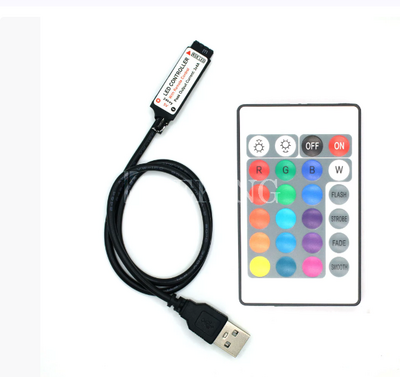
In recent years, the focus on sustainable and eco-friendly living has grown significantly. People are increasingly seeking ways to reduce their environmental footprint while still maintaining modern lifestyles. One of the most impactful changes individuals can make in their daily lives is switching to LED lighting. LED lights have emerged as a key player in promoting energy efficiency and sustainability. In this article, we will explore the role of LEDs in eco-friendly living, highlighting their energy efficiency, longevity, environmental impact, and cost-saving benefits flexible led strip lights factory.
Energy Efficiency and Reduced Consumption
One of the most compelling reasons for adopting LEDs is their remarkable energy efficiency. Unlike traditional incandescent and fluorescent bulbs, LEDs use significantly less energy to produce the same amount of light. This is due to the fact that LEDs convert more energy into light rather than heat. For example, a 10-watt LED can provide the same brightness as a 60-watt incandescent bulb. This energy efficiency reduces electricity consumption, which in turn decreases the demand for power generation. By using less energy, LEDs help reduce the strain on power grids and decrease greenhouse gas emissions from power plants, contributing to a more sustainable energy ecosystem.
As people transition from traditional lighting sources to LEDs, the cumulative energy savings are substantial. According to studies, switching to LED lighting can reduce energy usage for lighting by up to 80%. This has a direct impact on reducing carbon emissions and conserving natural resources. For example, a typical household using LED bulbs can save hundreds of kilowatt-hours per year. On a global scale, this reduction in energy consumption can lead to a significant reduction in overall energy demand, helping combat climate change and promote eco-friendly living.
Longevity and Reduced Waste
Another significant advantage of LEDs is their longevity. LED lights last much longer than traditional lighting options. While an incandescent bulb may only last around 1,000 hours, an LED bulb can last up to 25,000 hours or more. This extended lifespan means fewer bulbs need to be replaced over time, which reduces waste. As a result, LEDs contribute to less landfill waste, a key consideration in the pursuit of eco-friendly living.
In addition to their long lifespan, LEDs also have a more durable construction. They are made from robust materials that can withstand shocks and vibrations, unlike traditional bulbs that are fragile and prone to breaking. This durability reduces the likelihood of bulbs being prematurely discarded due to damage. By reducing the frequency of replacements and preventing the disposal of broken bulbs, LEDs help reduce the environmental impact associated with manufacturing and waste management.
Environmental Impact and Reduced Carbon Footprint
The environmental benefits of LEDs extend beyond just energy efficiency and longevity. LEDs are also free from hazardous materials commonly found in other lighting technologies. For instance, compact fluorescent lights (CFLs) contain mercury, which is a toxic substance that can contaminate the environment if not disposed of properly. LEDs, on the other hand, do not contain mercury or any other harmful substances. This makes them a safer and more environmentally friendly lighting option.
In terms of their carbon footprint, LEDs are also more eco-friendly when compared to other lighting technologies. Their lower energy consumption leads to a decrease in the overall carbon emissions associated with lighting. Since electricity generation is a major source of greenhouse gas emissions, reducing energy consumption by using LEDs directly contributes to a lower carbon footprint. The cumulative effect of widespread LED adoption can have a significant positive impact on reducing global greenhouse gas emissions, helping to mitigate the effects of climate change.
Cost Savings and Accessibility
Switching to LED lighting not only benefits the environment but also provides financial savings for consumers. Although LED bulbs typically have a higher upfront cost than incandescent or fluorescent bulbs, their long lifespan and energy efficiency result in significant cost savings over time. For example, a household that switches all of its lighting to LED can save hundreds of dollars annually on energy bills. This is because LEDs consume less power, and their extended lifespan means fewer replacements are needed, reducing the overall cost of lighting.
The cost of LED lighting has also decreased in recent years as the technology has become more widespread and manufacturing processes have improved. Today, LEDs are more affordable and accessible to a wider range of consumers. Additionally, governments and utility companies often offer rebates or incentives to encourage the adoption of energy-efficient lighting solutions, further reducing the cost of switching to LEDs. These cost savings, combined with the environmental benefits, make LEDs an appealing choice for anyone looking to adopt a more eco-friendly lifestyle.
The Future of Eco-Friendly Lighting
The role of LEDs in promoting eco-friendly living is likely to grow even more important in the future. As technology continues to advance, we can expect even more energy-efficient and sustainable lighting solutions. For example, smart LEDs that can be controlled remotely and adjust their brightness based on environmental conditions are already on the market. These innovations will allow consumers to further reduce energy consumption and waste, making eco-friendly living even more accessible and practical.
Moreover, as the world continues to focus on reducing its carbon footprint and conserving natural resources, the demand for energy-efficient solutions like LEDs will only increase. The widespread adoption of LEDs, along with other sustainable technologies, will play a key role in building a more sustainable future. By choosing LEDs, consumers can contribute to a greener planet, reduce their environmental impact, and save money in the process.
In conclusion, the role of LEDs in eco-friendly living cannot be overstated. Their energy efficiency, longevity, minimal environmental impact, and cost-saving potential make them an ideal choice for anyone looking to live a more sustainable lifestyle. By switching to LEDs, individuals can reduce their carbon footprint, conserve energy, and decrease waste, all while enjoying the benefits of modern lighting technology. As LED technology continues to evolve, it will undoubtedly remain a cornerstone of eco-friendly living for years to come.