
 Posted by
 Safe Laser 1800 And Safe Laser 500 Comparison The Top 10 Features Of Safe Laser 1800
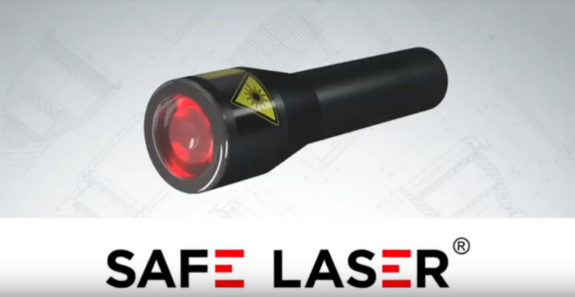
The Safe Lasers, sometimes called Photobiomodulation Therapy Systems (PBM) are class IV therapeutic cold lasers. They are developed to lessen the pain, ease inflammation and enhance tissue healing by emitting specific wavelengths of light which interact with the mitochondria of cells. The range of products follows the same basic principle, but there are differences in style, power, and application. The Safe Laser 1800 represents the top model with high-power and the Safe Laser 500 is a sturdy, lightweight, and more accessible unit. Understanding the main functions of each can help clinicians choose the appropriate tool to satisfy their needs in the clinic.
1. Laser Power Output and Dosage Time
Safe Laser 1800: This is Safe Laser's strongest unit. The unit boasts an output peak power of 18 Watts (18000 mW). This is the most defining attribute. Its high wattage permits a therapeutic dose of photons to be delivered in a brief amount of period of time. Treatments that would take a few minutes using a device with lower power can be completed in just seconds using the SL 1800. This is essential in terms of clinical effectiveness, allowing practitioners to treat complex or large areas in a short time.
Safe Laser 500. In contrast, Safe Laser 500 boasts a maximum output of 5 watts (5,000mW). It is a much lower output power than the 1880 however it's still seen as a high-power therapeutic laser. It can deliver a significant dose but needs a longer duration per area to reach the same level of power as 1800. It is a fantastic treatment but it is more time-consuming.
2. Wavelengths and Penetration Depth
Both models utilize the same wavelength of 810nm. The spectrum of infrared was chosen because of its superior perforation of tissue. It can penetrate into muscles, joints, and bones, which makes it effective for a wide variety of ailments, from superficial tendonitis to deep joint arthritis. In contrast to some systems that utilize multiple wavelengths, Safe Laser focuses on this single powerful wavelength that is highly effective for treating deep tissue, ensuring consistency across both the 500 and 1800 models.
3. Treatment Applicators Beam Configuration
Safe Laser 1800 has a large single treatment head. The beam of this head is divergent meaning it spreads out over a greater area (several centimeters in diameter) at the point of contact. This head is ideal for treating large muscles, inflammation in broad regions, or for achieving an overall effect across a wide area. It reduces the need for precise, point-by-point application across vast areas.
This model is a cluster application. The laser diode is similar to the one used in the 1800s, but it is surrounded by superluminous diodes that emit visible red light. The wavelength 660 nm is more easily absorbed and is ideal to treat superficial tissues such as wounds, skin conditions and wounds. Thanks to its cluster head, the 500's treatment is a combined approach that treats multiple depths of tissue simultaneously.
4. Energy Delivery and Dosage Calculation
Security Laser 1800: Due to its powerful energy, the 1800 delivers energy in Joules per second extremely quickly. The time required for treatment should be the most important factor. The software on the device calculates the required exposure times based upon the desired dose. Its effectiveness lies in the speed of computation, which allows it to deliver a high-dose treatment plan within a time frame that is clinically acceptable.
The laser 500 is safe. Laser 500: Energy delivery is slow. The device is often equipped with a built-in feature for dosimetry. A contact sensor is often included in many models. When it is placed on the skin it automatically calculates how long treatment will take based on selected power settings and the type of condition being treated. This guide is helpful for those who are new to laser therapy, as it ensures the same and precise dosage.
5. Design, Portability & Intended Use
Secure Laser 1800 is an instrument console. It is heavier and larger than other lasers. It was made to function as a fixed machine designed for use in a clinical environment such as a physiotherapy clinic sports medicine clinic or the veterinary hospital. Its design places a higher emphasis on strength and durability rather than portability, since it is designed to be used frequently.
Secure Laser 500: The 500's mobility is the main feature of this. The device is small and compact, similar to a large electric razor. It is lightweight and easily transportable in a case which makes it a great option for therapists on the move or athletes who travel to competitions or use in clinics in which the device has to be moved around treatment rooms frequently.
6. Clinical Applications and Treatment Scope
Secure Laser 1800: Due to its powerful power, it's an excellent choice for treating persistent and extensive-area issues. It's an excellent instrument for treating large areas of pain, chronic ailments and joint pains that are major. It is a device which can be used in high-volume settings for the most difficult cases.
Safe Laser 500: While effective for a wide array of conditions, its strength lies in treating localized, acute, and superficial-to-mid-depth issues. It is great for tendinitis and bursitis. It can also be used on sprains, trigger points wound healing, and strains. It is particularly beneficial for treating skin ulcers, soft tissue injuries, and scar tissue.
7. Treatment Strategies and Versatility
Both Models: Both models operate on similar photobiomodulation principles and are used in a similar range of medical indications. This includes musculoskeletal signs as well as inflammation reduction and tissue repair. It's not about the "what" however, it's the "how quickly" and "how deeply." The 1800 provides brute-force speeds for deep tissue, whereas the 5000 provides a flexible combination-wavelength, guided-dosing method in a highly mobile format.
8. Workflow Efficiency for Practice
Safe Laser 1800: The 1800 delivers unmatched efficiency for busy practices. If you are able to treat one patient in five to ten minutes instead of twenty that will substantially increase your patient throughput. This reduction in time translates directly into increased profits for the practice as well as the capability to handle more complicated cases in a regular appointment time.
Secure Laser 500 offers an organized workflow. Treatments can be longer and restrict the number of patients who can be treated each day. However, its portability and automated functions can speed up the procedure for a single practitioner or in a more relaxed atmosphere.
9. Analysis of the investment and cost-benefit
Safe Laser 1800 – As the flagship, it commands more expensive prices. Its high efficiency in the clinic, its capacity to handle difficult cases and its status as an important revenue-generating tool within a well-established clinic each contribute to the return on investment.
Safe Laser 500 – It's a great entry level into high power laser therapy. Its lower price makes it appealing to newly trained practitioners, mobile service providers, or even as a supplement in a clinic that already offers 1800 for particular, targeted treatments.
10. Summary: Choosing Between the Models
The decision to choose between the Safe Laser 1800 and 500 is about adjusting the tool to the task and the practice.
It is possible to select the Safe Laser 1800 if the clinic is clinic-based, with high patient volumes, you treat joints and spinal disorders that are deep frequently, and you work with large animals or with high-performance athletes, and clinical efficiency is crucial.
Safe Laser is the right option if you're in mobile therapy, need a device that is extremely portable that can treat more injuries, wounds, and other superficial ailments or have a higher proportion of injuries that are acute.
Both are highly effective tools that are built on the same scientific principles but have been adapted for various operational or clinical scenarios. Check out the top bioptron lámpa for more info including lágylézer készülékek, laser hu, safe laser 500, soft lézer készülék ára, soft lézer kezelés, lágy lézer készülék ár, orvosi lágylézer, laser kezelés, safe laser 1800 vélemények, safe laser 1800 and more.
Top 10 Tips For Tracking The Progress And Results Of Making Use Of Safe Laser Devices
Successful photobiomodulation treatments using Safe Lasers requires a systematized monitoring of the progress and outcomes. This aspect is often ignored. It is not possible to modify the treatment parameters or justify continuing treatment for patients or insurers with no objective or subjective information. Effective tracking converts anecdotal information into more structured, scientifically-based practices. It is a multi-faceted process that captures both quantitative measurements as well as qualitative feedback right from the assessment of baseline to the final outcome. This process does not just guide clinical decision-making but also empowers patients by making their improvement tangible, thereby enhancing adherence and satisfaction with the treatment.
1. Establishing a Comprehensive Baseline Assessment
Before the first laser treatment is performed, a comprehensive baseline has to be set. This will be the benchmark against which all advancement is evaluated. A solid baseline will include
Subjective Scales – Use a standard Numeric and Visual Analog Scales to measure the severity of pain when you're at rest, moving around during the day, or even in the evening.
Functional Assessment: Documenting impairments in certain areas (e.g. not able to lift the arm above the shoulder, or only walk for ten minutes).
Measurements Objectives: Include the use of goniometry to measure the range of movement (ROM), strength measurements, and circumferential measures for swelling.
The quality of life indicator is one of the indicators that considers the impact of sleep, mood or capacity to complete ADLs (Activities daily life).
2. The critical role of a standardized treatment log
The cornerstone of tracking is a detailed treatment of the session. The following data should be recorded at every treatment session:
The date and time of treatment
Treatment of the condition and specific anatomical Sites to be targeted (e.g., "medial femoral condyle of the left knee," "proximal attachment of the right supraspinatus").
Treatment parameters: total energy consumed (in joules) per site, power setting and treatment duration.
Patient's Immediate Reaction Feedback received in the course of or shortly after the session.
3. Validated Outcomes Measurability Tools
Tools for assessing outcomes that have been validated should be used by practitioners to ensure that they are objective and fair. Common instruments for musculoskeletal disorders include:
The Oswestry Disability Index for lower back pain.
The Shoulder Pain and Disability Index (SPADI).
The Lower Extremity Functional Scale or HOOS/KOOS is used for diagnosing knee or hip arthritis.
The questionnaires give a measurable score which can be tracked over time, offering an accurate image of the improvement in functional capacity beyond scores for pain.
4. Re-Assessment Periodically, at Defined Time Intervals
The rate of progress should not be guessworked; it should be measured regularly, at scheduled intervals. It is normal to check crucial metrics (pain scores, primary functional limitations, range of motion) every 3-4 treatment sessions. The practitioner will be able to determine if the program is working or if there are some parameters that need to be changed by checking in frequently. Every week or every two weeks, an in-depth reevaluation could include all score of the outcome tool.
5. Documenting Interim Fluctuations, and the "Healing Crisis
The tracking system should reflect the natural fluctuations in healing. Users have noted that some patients might experience symptoms that are temporary worsening, referred to as "healing crises," following the initial treatment. Documenting the healing process is crucial. It helps distinguish between a healthy healing response as opposed to a negative reaction, or an unproductive treatment. The fact that pain went from a 4/10 to a 6/10 on day two and then slowed down to a 3/10 by day four can provide valuable information and helps to prevent abrupt discontinuation of a beneficial treatment.
6. Photographic and Visual documentation
Serial photography is a great tracking tool when conditions are visible, like wounds, skin lesions, edema or bruises. At each assessment point the photos must be taken from the same distance and at the same angle with the same lighting. This provides undeniable visual evidence of the progress made, like the shrinking of wounds, a reduction in swelling, or fading of bruising. This is very motivating for the patient and clinically informative for the practitioner.
7. Logs, Diaries and Journals Created by Patients
A simple patient diary will record the daily levels of pain medications used and other specific tasks they could perform. A simple journal for patients can be used to record the daily levels of pain, medication use, and specific tasks they were able to perform. The data can help identify patterns that aren't evident in a clinical setting, such as the discomfort that is associated with specific movements, or an improvement in sleep quality.
8. Adjustments to the Tracking Dosage Parameter
PBM is dose dependent. The log of treatment must clearly document any changes made to the treatment plan. If the energy density (J/cm2) is increased, the treatment time extended, or frequency of sessions is altered, this must be noted along with the subsequent progress of the patient. It creates a feedback cycle, which allows the practitioner time to improve their knowledge of the clinical field by determining the most effective parameters in particular situations.
9. Follow-up over the long-term for chronic conditions
Tracking chronic conditions should continue after active treatment has been completed. It is essential to schedule a follow-up assessment three and one months after the treatment. This will provide you with important information about longevity of the treatment over time. This allows for the distinction between temporary relief of pain and lasting tissue healing. It also helps identify patients who might benefit from a regular "booster" treatment in order to sustain their progress.
10. Data Analysis and Interpretation the process of making clinical decisions
It is essential to make an informed decision after having analyzed all collected data. It is not enough to track without understanding. Do you see a constant decline in the patient's pain scores? Does the functional score increase? Do they have an increase in their ROM? If you answered yes, then the treatment must continue. If the treatment has slowed or reversed, the data could give the evidence needed to alter the approach. This process is based on data and ensures Safe Laser therapy is delivered in the most efficient and efficient manner possible for each unique patient. Take a look at the best Safe Laser Beauty for website recommendations including lágylézer terápia, lágylézer hatása, laser kezelés, lágylézer mire jó, safe laser vélemények, lágylézer készülék, safe laser debrecen, fizioterápia lézeres kezelés, lágylézer bérlés, lezer terapias keszulek and more.
